Get the foundation right
from day one
Define missions and use cases, capture stakeholder needs, and track every program phase from concept to disposal.
Book a demoHow it works
Four steps from the first idea to a mission you can test against your design.
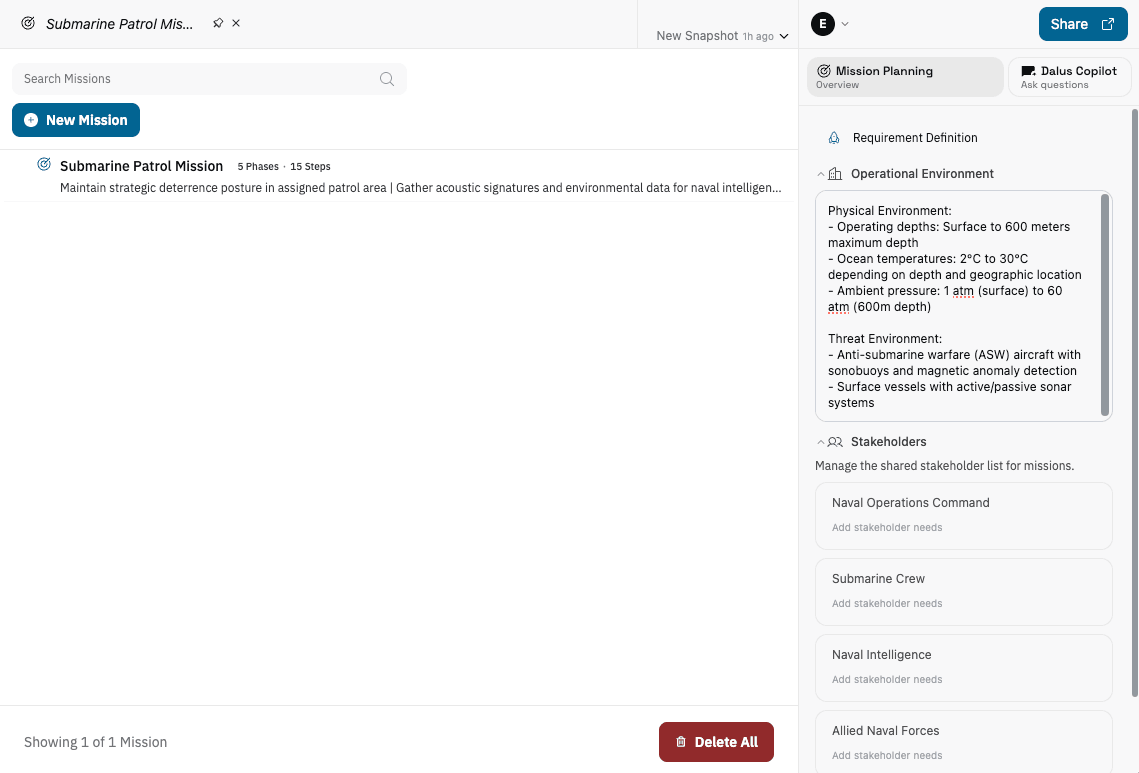
Set the context
Pick the program phase, describe the operational environment, and list the stakeholders and their needs. Everyone works from the same picture of where and how the system will operate.
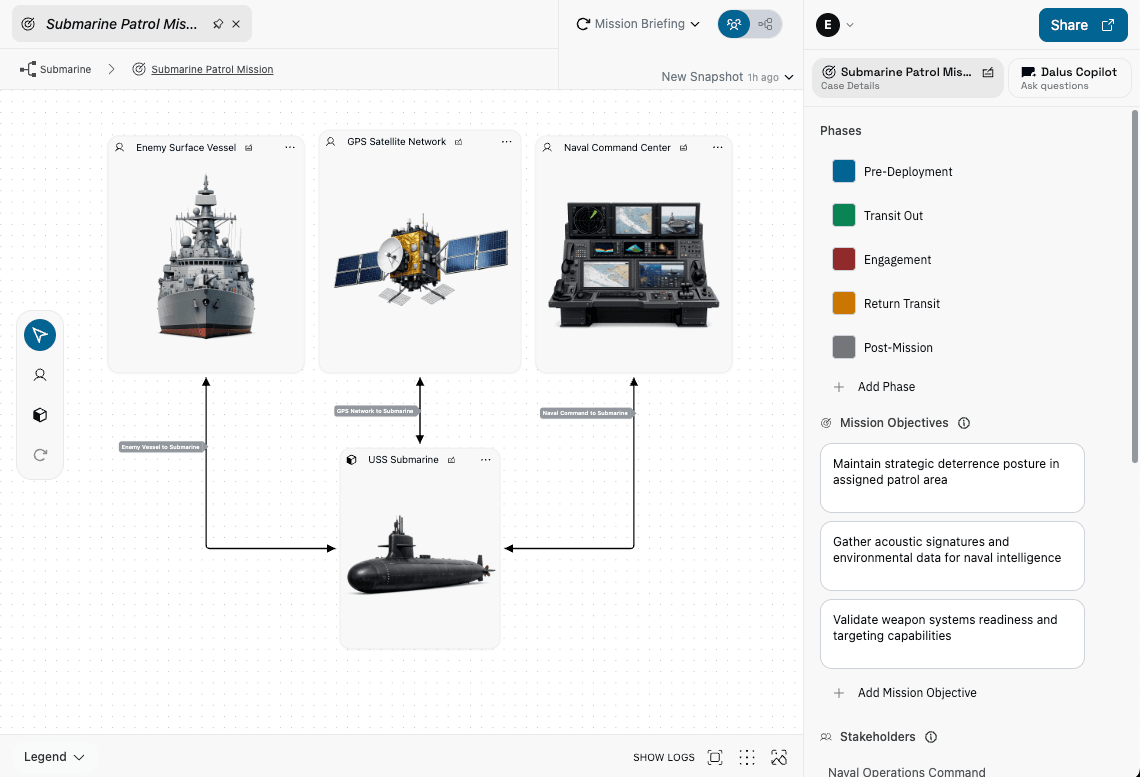
Map who is involved
Draw the scenario: the actors outside your system, the parts of your system in the mission, and the messages that flow between them. Add phases and objectives so the goal of every use case is clear.
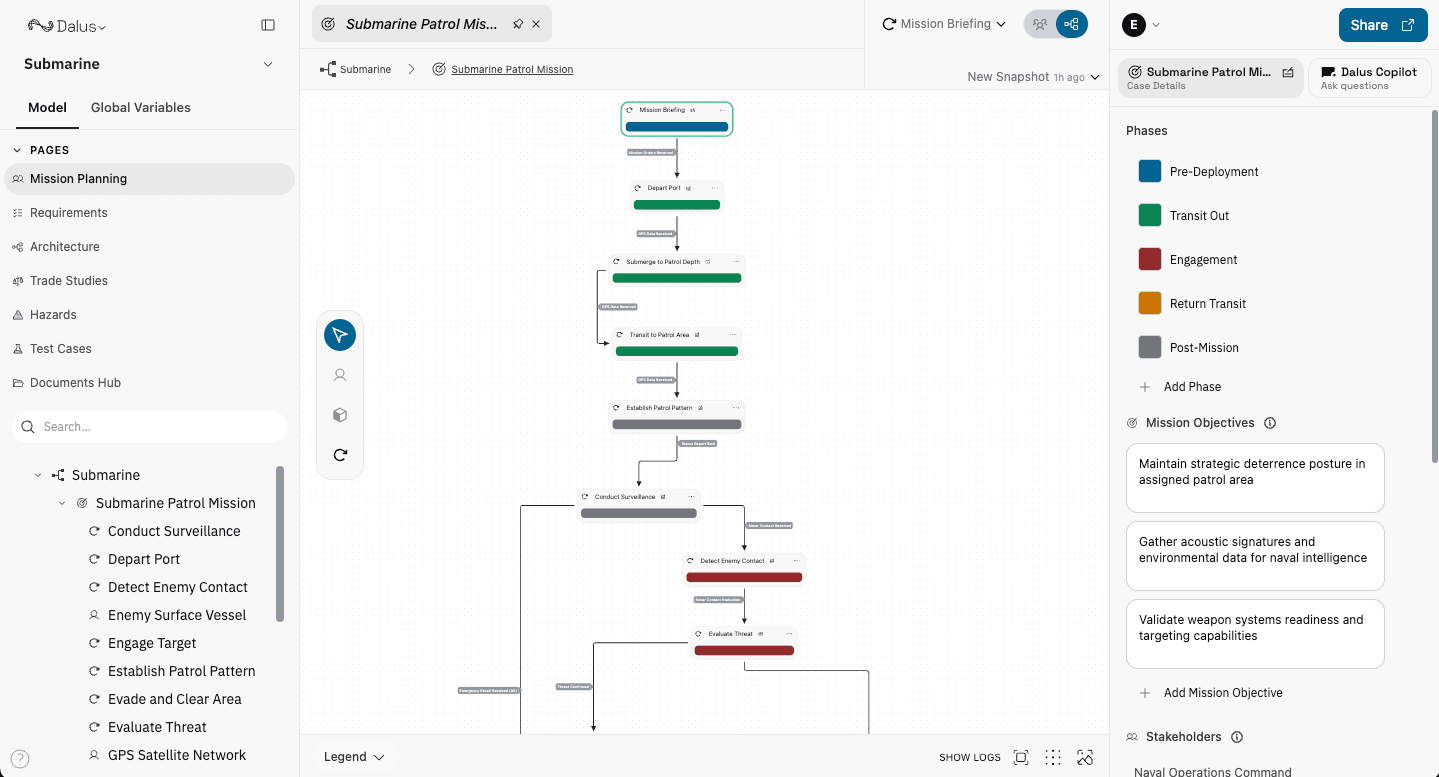
Lay out the sequence
Turn the story into a step-by-step timeline, color-coded by phase, from briefing to return. Branches show what happens when the mission takes a different turn.
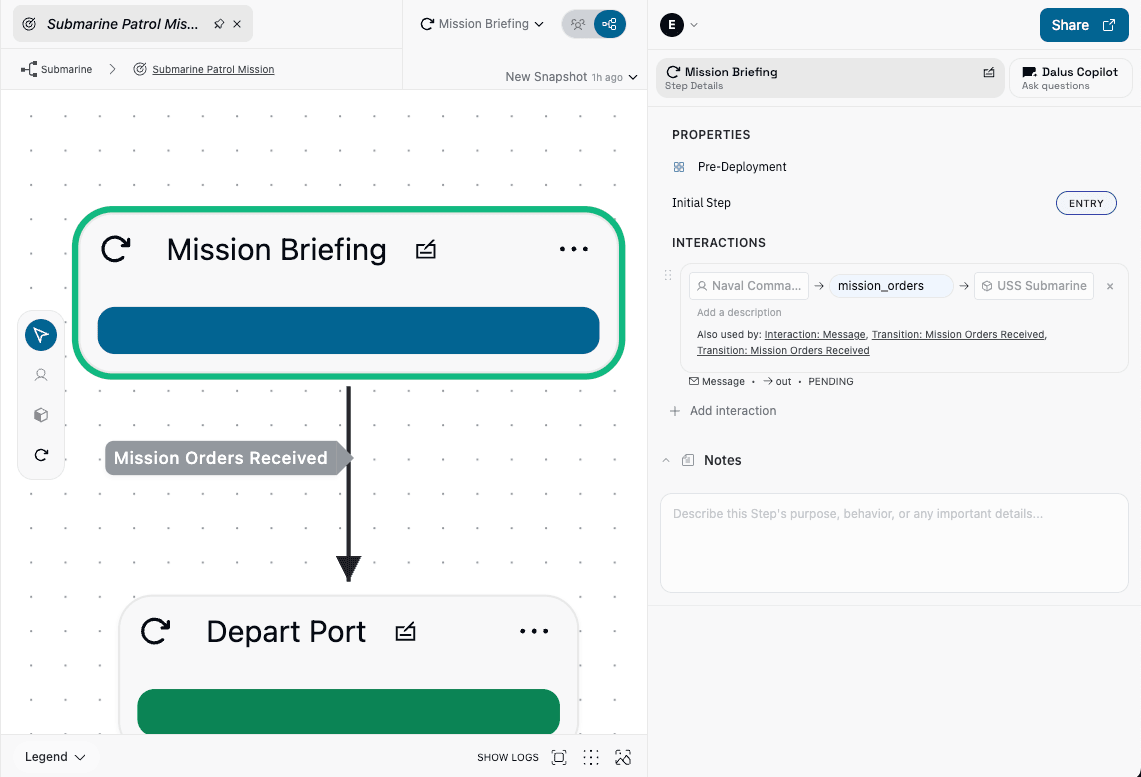
Run it against your design
Attach the messages each step sends, then simulate the mission. Transitions can trigger state machines in your architecture, so you see whether the design actually does what the mission needs.
Key capabilities
- Mission and use case definition
- Stakeholder identification and needs tracking
- Operational environment specification
- Program lifecycle phase management
- Mission flow visualization
- Traceability to requirements and design
Connected to the rest of your model
Missions aren't a slide deck that goes stale. They link to the requirements they drive, the parts that carry them out and the tests that prove them, so a change shows up everywhere it matters.
Let Copilot do the first draft
Dalus Copilot works on the same model. Ask it to set things up, fill gaps or check your work, then review what it changed.
More about Dalus Copilot
“Dalus helped us bring structure and traceability to our IoT system development”

Matthias Priebe
Systems Engineer, IOX Lab
- 10xfaster requirements reviews
- 0spreadsheets left
- 3xfaster customer sign-off
Explore other features
- Learn more
System Architecture
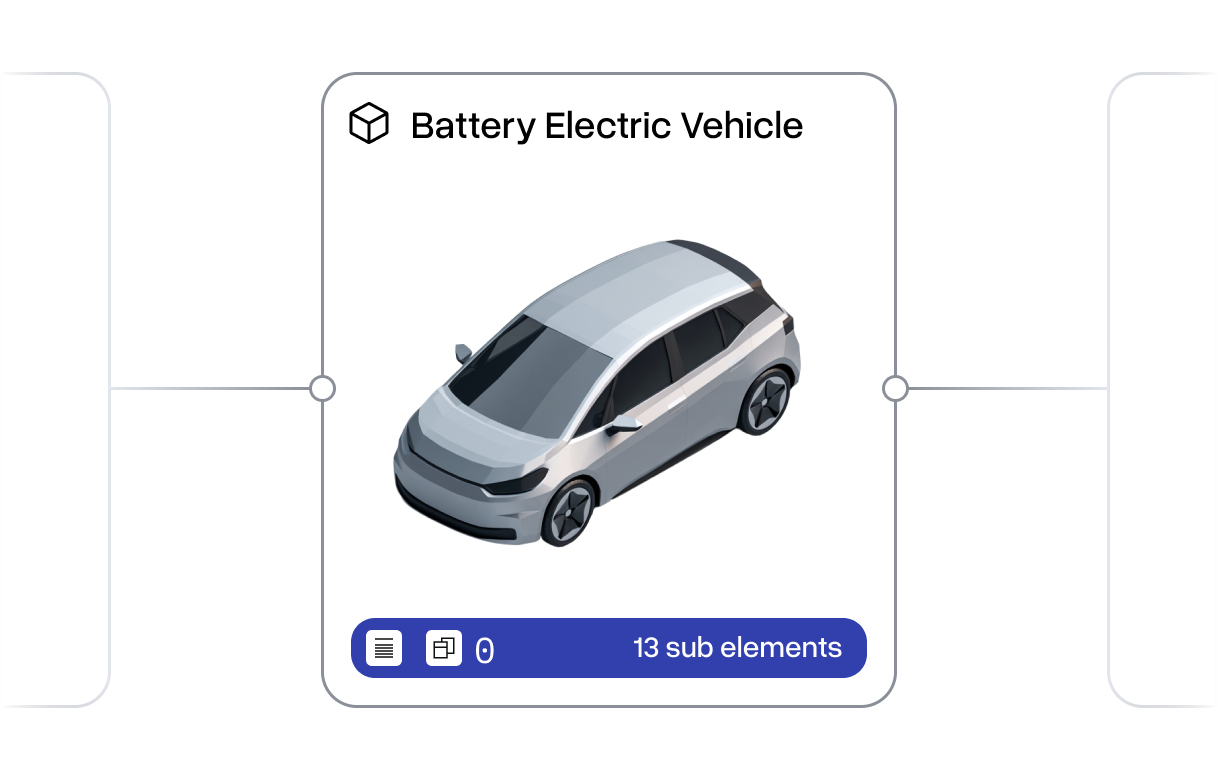
Decompose your system into subsystems, parts, and interfaces for your structural architecture.
- Learn more
Requirements Management
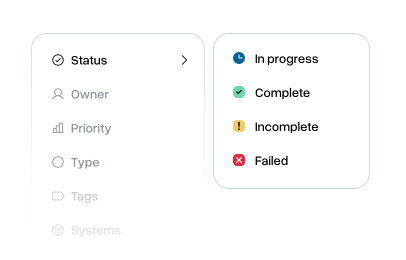
Stay on top of requirements by tracking statuses, assigning engineers, and ensuring real-time updates.
- Learn more
Test Cases
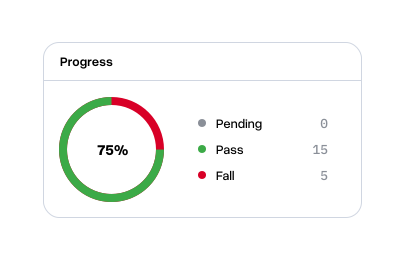
Plan, execute, and track verification and validation tests with step-by-step procedures and full traceability.
- Learn more
Analysis & Verification
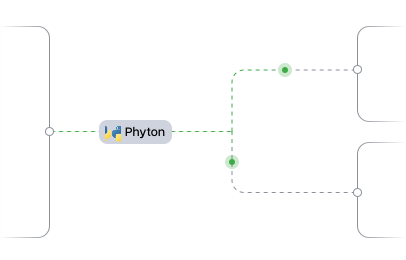
Verify your requirements by tightly coupling behavior and simulation. Run Python scripts for different states and functions.
- Learn more
Safety & Hazards
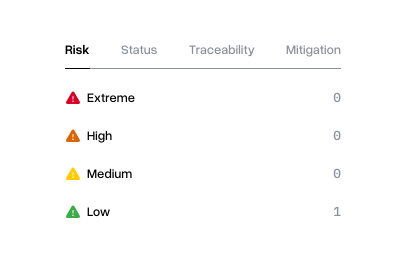
Identify hazards, assess risk using severity and likelihood scales, and document controls that reduce risk to acceptable levels.
FAQs
Everything you need to know before you get started.
It's the Use Cases page in the left sidebar, the new name for Mission Planning. Existing scenarios and sequences stay in the same model.
Can’t find what you’re looking for?
Contact us

Let’s discuss your
systems engineering challenges
Tell us what you’re building, and we’ll show you how Dalus can help.

30-minute discovery call with Sebastian
Co-founder, Dalus
No time that works? Send us a message and we’ll find one.